Understanding PSI and GPM: What Pressure Cleaner Do You Need?
Choosing a pressure cleaner involves more than finding the highest pressure rating. For Newcastle homes and businesses, the right equipment depends on the surface, the type of dirt and the size of the area. Understanding PSI and GPM helps you clean efficiently without damaging concrete, timber, paintwork or outdoor fixtures.
What Do PSI and GPM Mean?
PSI: The Pressure Behind the Water
PSI means pounds per square inch, a measure of water pressure. Pressure helps loosen dirt and other deposits, but higher PSI is not automatically better. Excessive pressure can strip paint, splinter timber, damage mortar and etch concrete.
GPM: How Much Water the Machine Delivers
GPM means gallons per minute, which measures water flow. Higher flow generally rinses loosened dirt faster and helps cover larger areas efficiently. Australian equipment commonly lists flow in litres per minute, or L/min. When a specification uses US gallons, 1 GPM equals approximately 3.8 L/min; check which gallon measurement the manufacturer uses.
Compare machines using their rated operating pressure and flow, rather than advertised maximum figures, which may not represent simultaneous working performance.
What Pressure Cleaner Suits Your Job?
These broad equipment ranges provide a starting point, not a recommended pressure setting for every surface:
- Outdoor furniture and light household cleaning: A domestic machine around 1,200–1,800 PSI with approximately 5–7 L/min may be sufficient, provided the item’s manufacturer permits pressure washing.
- Patios, paths and small driveways: Machines around 1,800–2,800 PSI with approximately 7–10 L/min can suit many sound, uncoated hard surfaces.
- Larger concrete areas and demanding work: Professional equipment often delivers 3,000 PSI or more and 12–20 L/min or higher. Correct pressure adjustment, accessories and operator technique remain essential.
Timber, sandstone, older brickwork and coated https://pressurecleaningnewcastle.com.au surfaces need particular care. Low-pressure cleaning with an appropriate cleaning solution may be safer than increasing pressure.

Why Flow Matters for Newcastle Driveways
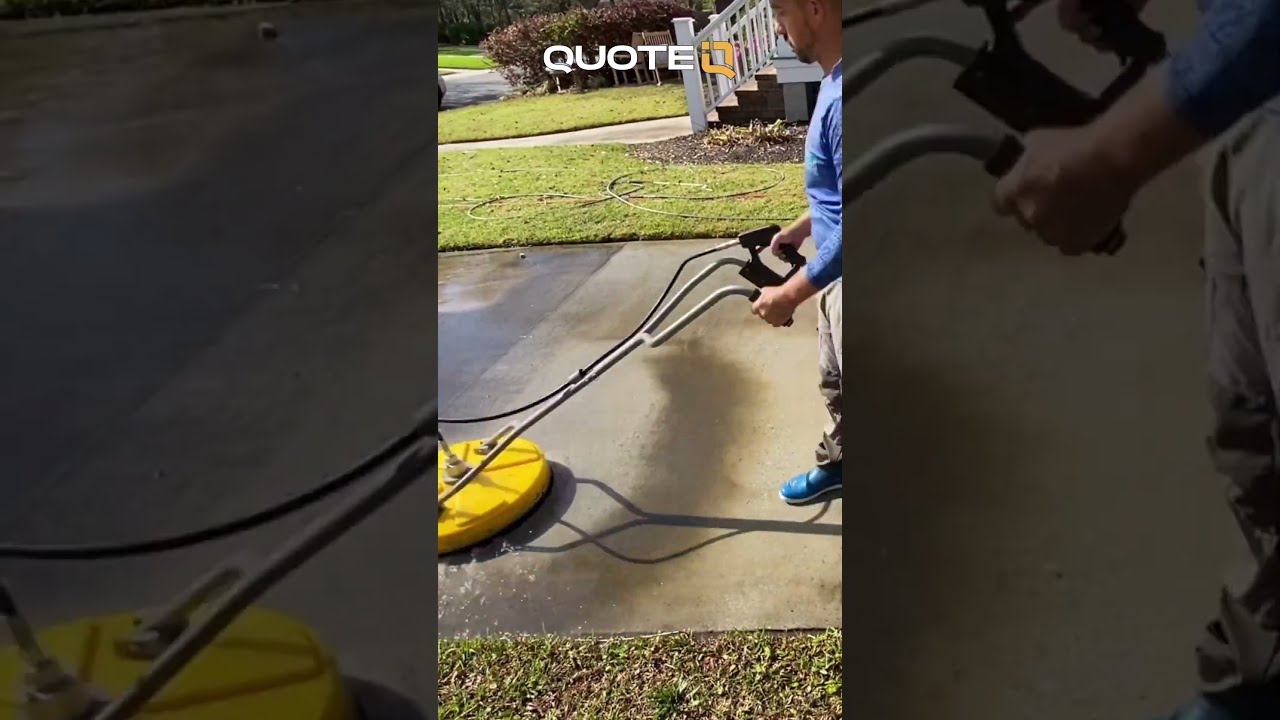
A high-pressure machine with low water flow may loosen grime but rinse slowly. For larger Newcastle driveways, adequate flow and a correctly matched surface cleaner can improve coverage and reduce uneven cleaning marks.
Check that your water supply meets the machine’s inlet requirements. An inadequate supply can cause poor performance and pump damage. Grease and oil may also need a suitable degreaser or professional hot-water equipment rather than additional pressure alone.
Protect Surfaces, People and Stormwater
Start with the lowest effective pressure, use an appropriate wide-angle nozzle and test an inconspicuous patch. Keep the nozzle moving and follow the equipment and surface manufacturers’ instructions. Never direct the jet at people, pets, electrical fittings or suspected asbestos-containing materials.
Newcastle’s coastal exposure and damp, shaded areas can contribute to salt deposits and slippery organic growth. Choose treatment methods for the actual contamination, and protect nearby plants. Prevent detergent, sediment and contaminated wash water from entering stormwater drains; check current local requirements before starting.
When Is Professional Pressure Cleaning Worthwhile?
Consider a professional for large areas, delicate surfaces, persistent stains or jobs requiring wastewater recovery. Ask how they select pressure, treat stains and manage runoff. The best pressure cleaner is the one matched to the surface and task—not simply the machine with the biggest PSI number.
Newcastle Pressure Cleaning Experts
(02) 4082 8401